

Portugal’s Citizenship law reform

Did the door just close on your Portuguese dream?
A Country at a Crossroads
There comes a moment in every country’s relationship with the international community when trust hangs in the balance. For Portugal, that moment is now. The Portuguese Government’s proposed changes to the nationality law go far beyond routine reform—they represent something more troubling: a willingness to retroactively alter the expectations of thousands who built their lives based on the country’s legal framework.
The government’s proposed overhaul is a profound shift that threatens to unravel years of earned goodwill. At its core lies a failure to protect legitimate expectations: the constitutional principle that those who acted in good faith under existing laws should not be penalised by retroactive change.
While there was never an explicit promise of citizenship after five years, there was a legitimate expectation of it — an expectation grounded in law, practice, and official communication, including that of several programmes aimed at attracting HNWI individuals to settle and live in Portugal - false pretences? poor politics? or something far more sinister…
. For residents who have built their lives here believing they were on a five-year path to citizenship, the new ten-year rule doubles that journey overnight.
This is not just a technical change. It’s a moral breach — one that risks Portugal’s reputation


The Law, the Backlash, and the Breach of Trust
The new proposal does not reset the clock; it stretches it. Residents already living legally in Portugal will now face double the waiting time before being eligible for citizenship. The effect is devastating for those who have already integrated, invested, and contributed — people who followed the rules only to see those rules rewritten midway.
This isn’t an immigration tightening; it’s retroactive uncertainty disguised as reform. And that distinction matters deeply to anyone who values the rule of law.
Reasonable people can debate immigration policy, but this proposal crosses two lines. First, it fails to protect individuals who began residency pathways under the previous law, expecting citizenship after five years of legal residence. Second, it extends the requirement to ten years—even for those already halfway there—violating legitimate expectations enshrined in Portugal’s own constitutional principles.
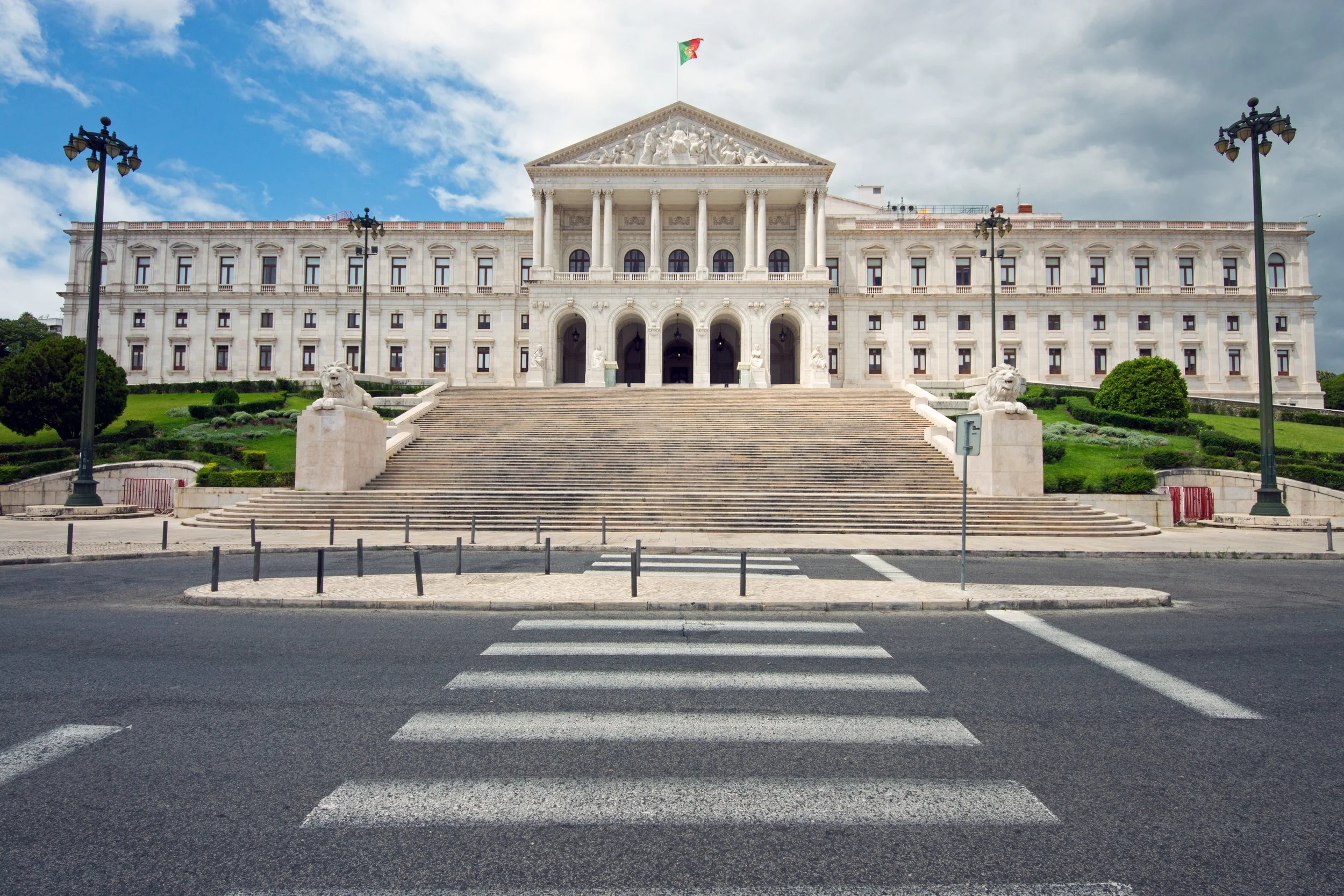
A Legacy of Lax Laws and Political Oversight
This crisis didn’t emerge from nowhere. The previous government opened the gates wide, introducing lax immigration policies and loopholes that allowed over 500,000 immigrants to enter Portugal legally within a few years — an enormous figure for a country of just over 10 million.
Only now, after the fact, Portugal has decided it must take action to have more control over who become eligible for citizenship, instead of placing tighter controls on the residency renewal after 2 years, which would quite adequately weed out the immigrants who are not genuinely living in, or contributing to Portugal, they simply appear like a rabbit caught in the headlights, with a panic that half a million people will suddenly become eligible for that coveted Portuguese passport! - In comes a law which risks alienating anyone and everyone who chose to make Portugal their forever home.
In an attempt to fix yesterday’s political failures, Portugal risks punishing the very people who followed its laws in good faith.
The Politics Behind the Policy
The ten-year rule is not merely administrative — it’s symbolic.
By aligning Portugal’s citizenship requirements with stricter EU standards, the government hopes to shed its image as the continent’s “shortcut” to European citizenship.
But in doing so, it disregards the impact on the very demographic it needs most: productive, law-abiding immigrants who have brought capital, stability, and innovation to Portugal’s economy.
The policy may appease nationalist voters in the short term — but it risks alienating the communities sustaining the country’s long-term growth - and that is a dangerous position for any country to put themselves in.

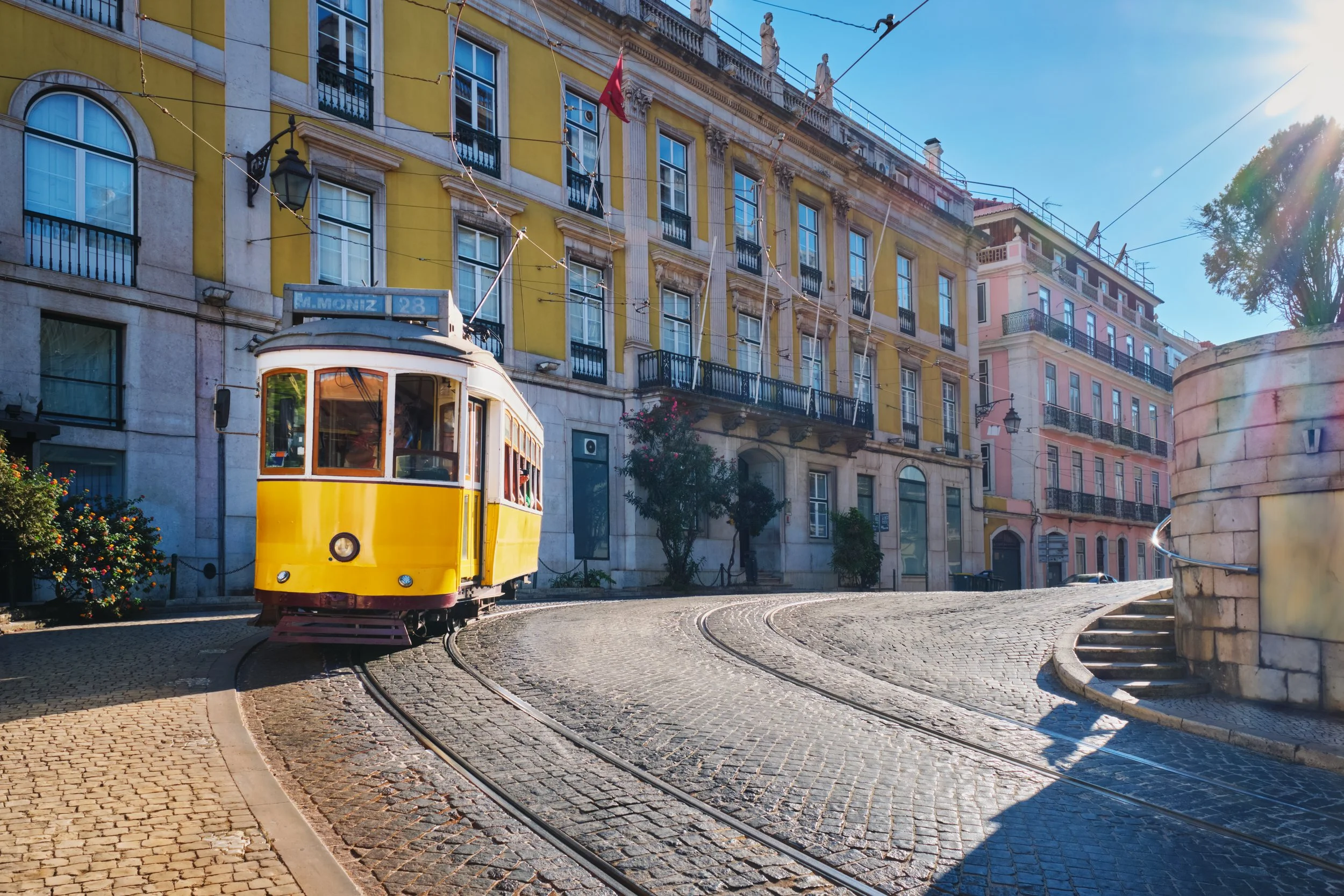
A Political Backlash Breeding Division
The influx of poorly integrated immigrants has fueled social tension, feeding the rise of the far-right CHEGA party. Now powerful enough in Parliament to push through stricter laws, CHEGA has capitalized on public frustration. But these new measures risk punishing everyone—including those who contribute positively to Portugal’s economy and society.
Political Calculations and the Rise of Populism
The political undercurrent is unmistakable. The surge in immigration, coupled with visible poverty and social strain, has fueled resentment among native Portuguese citizens. That resentment has translated directly into growing support for the far-right CHEGA party, whose populist rhetoric thrives on anti-immigration sentiment.
CHEGA’s expanding influence has reshaped the parliamentary landscape. With enough seats to sway legislation, they’ve pushed for harsher laws aimed at curbing immigration — not only targeting those exploiting loopholes but also ensnaring legitimate, contributing residents.
To avoid appearing as Europe’s “shortest route to EU citizenship,” lawmakers have extended naturalisation timeline
The Economic Irony of losing credibility
While Portugal tightens the gates, it risks alienating immigrants who fuel its economy. Investors, entrepreneurs, and Golden Visa holders—who together contribute around 25% of Portugal’s economic activity—are being treated the same as those exploiting loopholes. The policy aims to curb uncontrolled entry, but in doing so, it may drive out precisely the demographic that sustains the nation’s growth..
Portugal’s international reputation has tangible value.
More than 55,000 pending residency and investment applications represent over €27 million in fees already paid — and far more in future economic contribution.
If confidence erodes — if residents and investors conclude that Portugal’s laws cannot be relied upon — the country will lose more than tax receipts. It will lose credibility.
And credibility, once lost, is slow to return
The Immigrants Portugal Needs — and Risks Losing
Among this vast immigrant population are the contributors Portugal cannot afford to alienate: investors, business owners, digital professionals, and families who have brought billions into the economy.
Golden Visa holders, in particular, represent a segment of the immigration community that Portugal actively courted. They invested heavily — not only financially, but socially and emotionally — believing that Portugal offered a stable, transparent path toward integration.
Now, they find themselves lumped into the same category as all others, as Portugal applies the same extended citizenship timeline universally to avoid discrimination. But this “one-size-fits-all” correction risks driving away those whose contributions power as much as 25% of Portugal’s economy.
Is Portugal Undermining Its Own Future?
Instead of addressing administrative failures or investing in processing capacity, Portugal continues to apply political “sticking plasters” to structural wounds. The delays at AIMA, the overwhelmed immigration authority, are only one symptom of a deeper malaise: short-term governance that values headlines over strategy.
What’s being lost in this political tug-of-war is the essence of what made Portugal so attractive — stability, integrity, and fairness. Each retroactive reform chips away at that reputation, and trust, once broken, is painfully slow to rebuild.

The Path Forward
Portugal stands at a crossroads. It can rebuild trust by safeguarding legitimate expectations and creating clear, fair laws—or continue eroding credibility with reactionary policies.
The Stakes Couldn’t Be Higher!
Portugal stands at a defining moment. It can honor its commitments, restore confidence, and preserve its credibility as a modern European democracy — or it can sacrifice all three on the altar of political expediency.
The world is watching, and the market for global talent and investment is unforgiving, The choice will determine not just Portugal’s international reputation, but its future prosperity.
Three Possible Outcomes
1. The law passes as written. Residents who acted in good faith are forced to wait years longer. Legal certainty suffers, and so will the future economy of Portugal.
2. The law passes but is overturned by the Constitutional Court. The damage to trust is already done, it might retain some immigrants, but many are already planning their exit…
3. A grandfather clause is introduced. Those who began residency under the five-year rule are protected. The ten-year requirement applies only to new entrants.
Only the third scenario preserves both constitutional integrity and Portugal’s reputation for fairness